
Better outcomes for rangatahi
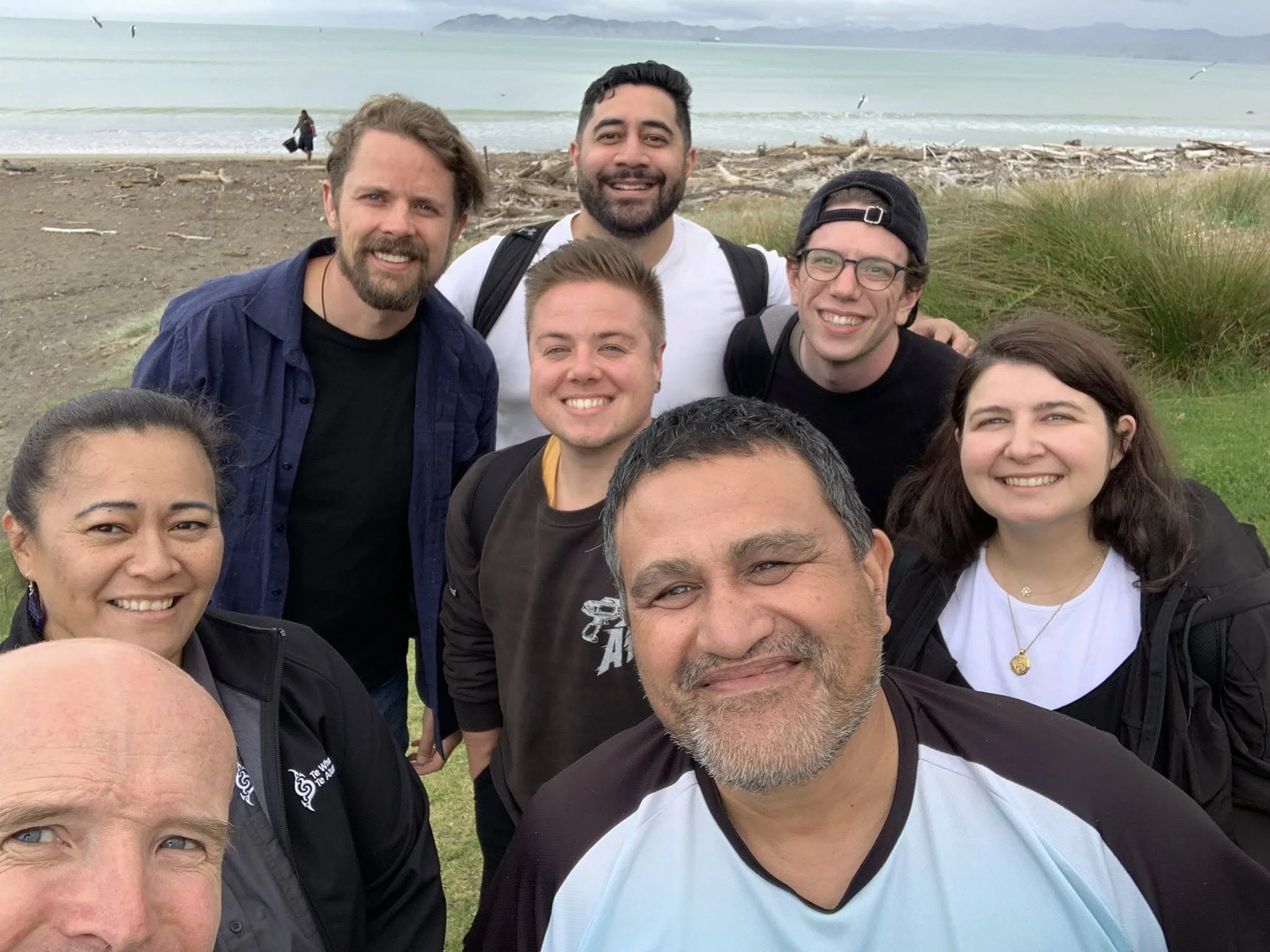
Waldo Horomia (front centre), manaaki ki te manuhiri. Hosting the CAYAD Taamaki team and Steve Randerson the CAYAD National Coordinator in Tuuranganui-a-Kiwa.
For nearly a decade, one man’s mahi in Tūranga-nui-a-Kiwa has been guided by a simple but powerful goal, better outcomes for rangatahi.
Since 2015, Waldo Horomia approach has been built on whanaungatanga, the relationships that bind people together and keep them accountable to one another.
“Ever since starting back in 2015, it’s always been about rangatahi, better outcomes, wellbeing, and health,” he says.
Waldo grew up in Te Tairaawhiti, so due to his upbringing the values of manaakitanga and kotahitanga sit at the heart of everything he does.
“Whanaungatanga is a big key component of our kaupapa, it’s about building relationships and being accountable,” he says. “When everyone comes together, manaaki, kotahitanga, that’s the strength of Tūranga-nui-a-Kiwa. You feel it.”
Through networks like the Addictions Networking Forum, he’s helped shift the focus from siloed service delivery to community-led collaboration.
“For many years, everyone was working in little silo pockets. But it made sense to bring everyone together, we’re all doing the same mahi, so we should be paddling the same way.”
He works alongside groups such as Turanga Health, Communities Against Alcohol Harm, and Tohunga Matua, each bringing a unique piece to the same vision, empowering whānau and rangatahi through prevention, education, and connection.
One of his key projects, Elgin Community Voices, gathered local stories about barriers to accessing services.
“We found that limited access and referral-heavy systems were turning people away,” he explains.
The findings were shared back at schools and community hubs like Manawaru Café, helping whānau understand and act on what they had collectively voiced.
He says the region’s biggest strength lies in its ability to unify during tough times. After Cyclone Gabrielle, that spirit was clear.
“You don’t realise the skillsets in your community until everyone comes together, the electricians, the fencers, the farmers. Everyone just showed up to help whānau back to living.”
Karakia Fridays have also become a regular gathering, drawing up to 100 people each week to reconnect and strengthen collective wairua.
“It’s the little things that make a big difference, people showing up, sharing kai, praying together. That’s what keeps us strong.”
Looking to the future, he wants to continue building leadership among rangatahi, particularly through waka ama.
“Waka ama isn’t just a sport, it’s a way of life. It connects our rangatahi to their whakapapa, to the river and Moana, and it builds leaders for the future.”
His advice for others thinking about stepping into this space is simple: “Just take the road, you’ll really enjoy it. You meet whānau along the way. It’s about helping our people achieve better outcomes in a good way.”
In Tūranga-nui-a-Kiwa, that road continues to be paved by community, connection, and the belief that real change happens when everyone paddles the same way.