
Community Action on Youth and Drugs: Building Stronger Futures, One Community at a Time
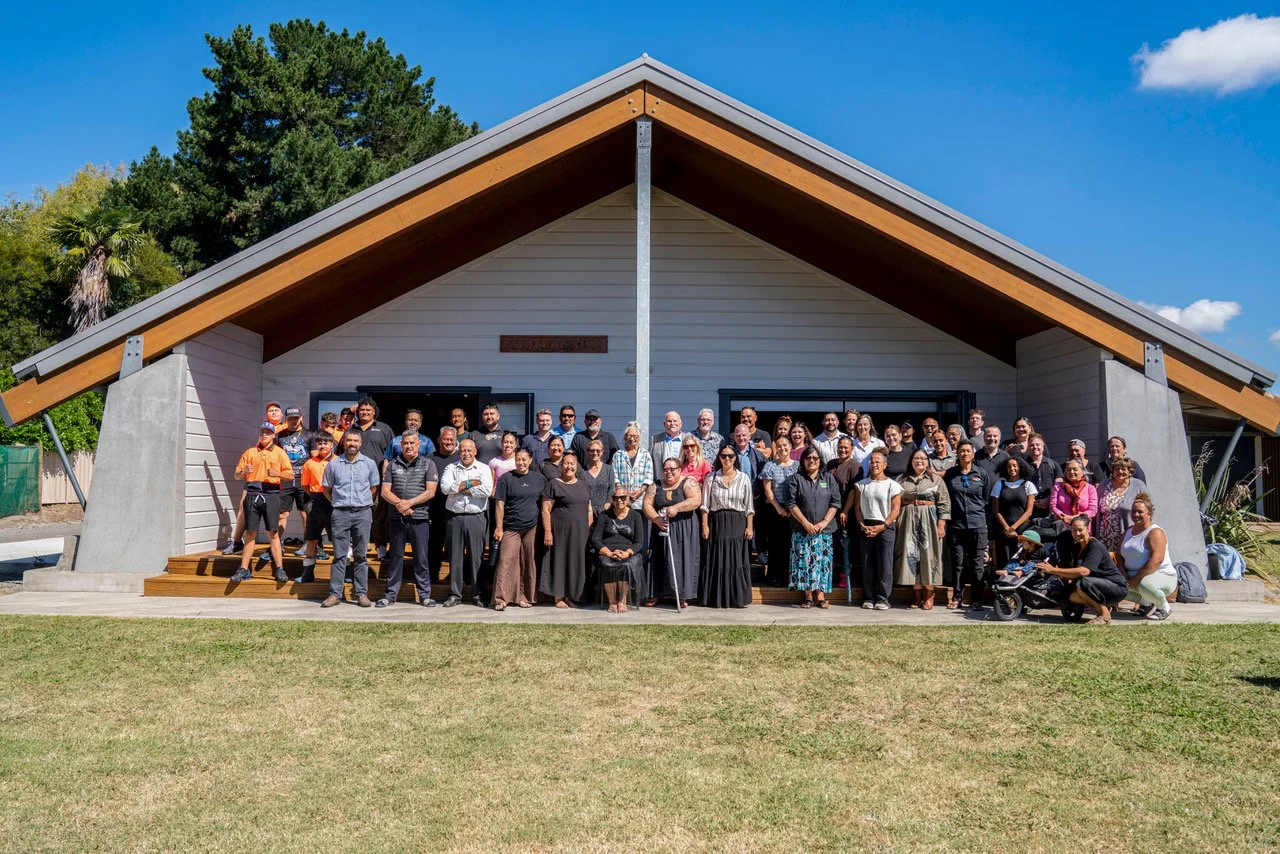
CAYAD National Hui 2026
For more than two decades, Community Action on Youth and Drugs (CAYAD) has quietly transformed communities across Aotearoa. Trina Baggett, CAYAD National Coordinator from Massey University, said “the kaupapa humble beginnings began as a small pilot project in the late 90s to early 2000s has grown to 20 sites across the motu that’s grounded in connection, prevention, and hope”.
“Our whānau know their communities, they understand what works and what doesn’t,” says Baggett.
The kaupapa was born out of concern for the high expulsion and suspension rates of rangatahi, particularly Māori, in schools.
Backed by the late Hon. Jim Anderton and supported through Massey University, five pilot sites were established, in Hokianga, Kaitaia, Ōpōtiki, Nelson, and Whangaruru.
The aim was simple yet ambitious: to reduce alcohol and drug harm through community-led action rather than top-down solutions.
Today, CAYAD operates in 20 communities across the motu, from small rural towns to urban centres. Each site reflects the unique needs and strengths of its people.
“Whether it’s setting up a youth gym in Wharekahika or running leadership programmes in Morrinsville, every community finds its own way to support environments that enable young people to thrive.”
That flexibility is key. While the kaupapa focuses on preventing harm from alcohol and other drugs, the real work lies in building environments where young people can flourish.
Some CAYAD sites create pro-social activities, waka ama, kapa haka, and sports initiatives, while others empower rangatahi to engage in civic processes, such as submissions to local councils on alcohol bylaws.
At its heart, CAYAD is about relationships. Practitioners are embedded within iwi, rūnanga, local government, and health and social service providers, ensuring the mahi remains community driven.
“We’re not just a kaupapa,” Trina explains. “We’re a whānau. Our values, manaakitanga, kotahitanga, and aroha, aren’t words on a wall; they’re how we live and work every day.”
Over the years, CAYAD has evolved beyond its origins, tackling new challenges like youth disengagement, digital wellbeing, and the denormalising of alcohol and other drugs in different spaces like sports clubs, marae, but also harm reduction approaches to alcohol and other drug use.
Yet its vision remains steadfast: to equip communities to make positive changes, for and with their rangatahi.
As Trina puts it, “The beauty of this kaupapa is that it’s never been about one person or one place. It’s about collective action, communities standing together to create a future where young people are safe, connected, and have opportunities to reach their full potential.”