
mana rangatahi - civic participation
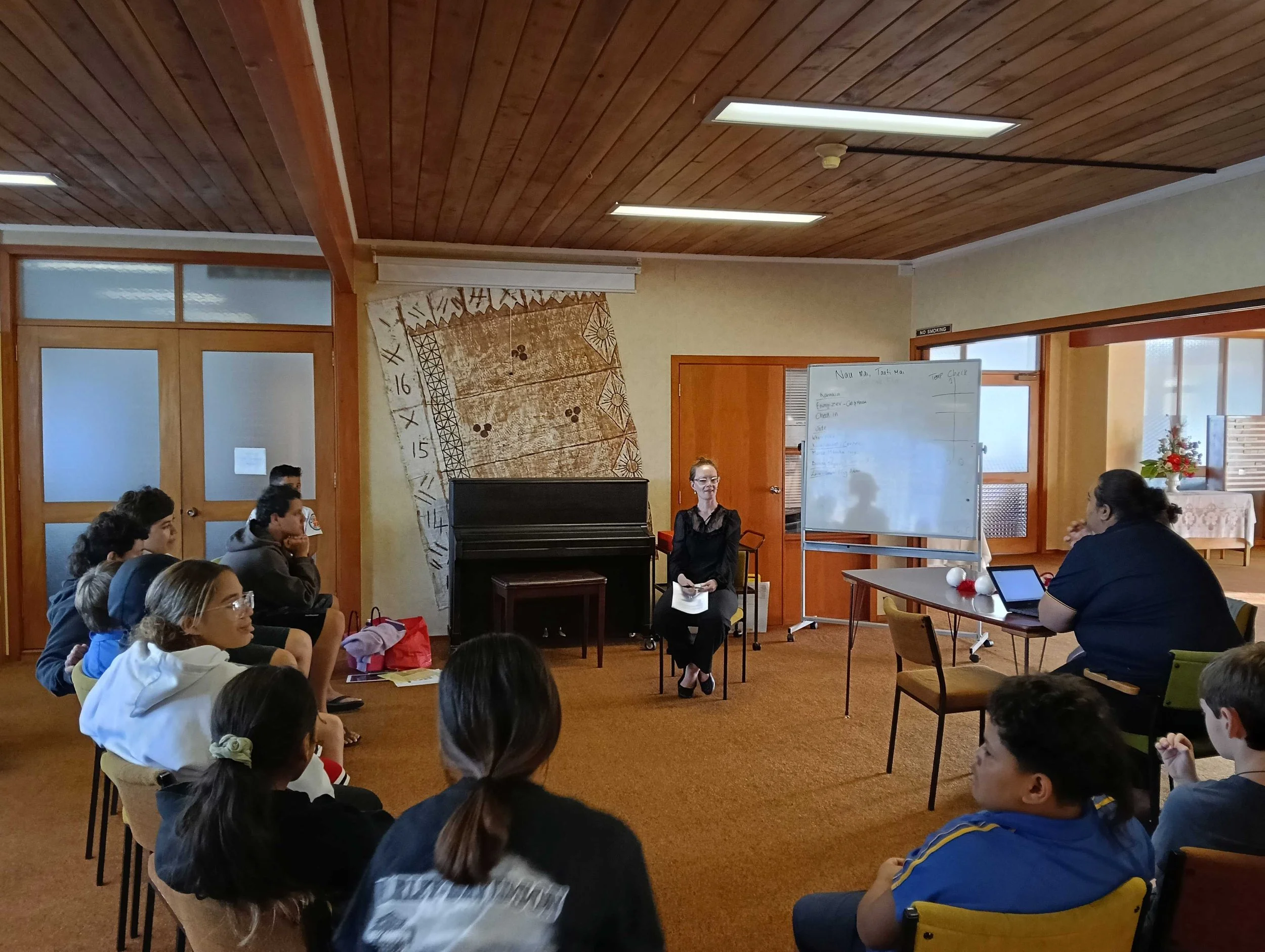
In Matamata-Piako, Morrinsville, a local Council initiative is changing how young people take part in decision-making.
What started as a small effort to include rangatahi in the district’s bylaw and community policy review has become a meaningful way for them to speak up about the issues that affect their everyday lives.
“Our rangatahi were keen to listen and learn about community policies and after completing the workshop, they realised, ‘we’ve got something to say,’ and they did with the support of Policy Analyst Laura Hopkins, says Senior CAYAD Coordinator, Ngaire Te Ahu. This is the first time rangatahi have made oral submissions on the community bylaw policy. “For me, it’s about helping our young people to grow and building their leadership capacity through succession planning and investing in their evolving journey through life.
The kaupapa emerged as a collaborative relationship between CAYAD, community youth, and Matamata Piako District Council staff, who recognised that rangatahi were often missing from policy conversations that directly affected their lives.
For CAYAD Morrinsville, it is important that our rangatahi see that there is a place for them in influencing the rules that shape their environment and worldview.
The bylaw review focused on issues like alcohol, gambling, and community safety, areas many of the youth had already encountered in their daily lives and for some, these topics hit close to home. “I understand the reality and impacts of alcohol harm, having grown up around alcohol,” said Ngaire,“ so when the Council asked what I thought, it was an opportunity for rangatahi to have a voice.
The workshops, run over several months, invited young people to learn about local governance and how decisions are made.
After learning about the submission process, rangatahi decided to write and present their own submissions to Council, something no one had planned for at the start.
“If you want a thriving community, you’ve got to start by listening to the ones who are going to inherit it.
Many of the youth had never spoken publicly before, let alone to elected officials.
But they turned up, nervous, proud, and determined. One Council member later described their presentations as some of the most heartfelt submissions they’d ever received.
“These rangatahi didn’t speak in policy language,” said CAYAD Coordinator Jade Green. “They spoke from the heart, about what it’s like to see pokies taking money from their whaanau, or alcohol being sold at sports games where their siblings play. It was raw and it was real.”
Beyond the formal process, the kaupapa built something deeper, a sense of connection and self-belief.
The rangatahi formed a tight-knit group, supporting each other through the journey. They came from different schools, backgrounds, ethnicities and experiences, but were united for the shared purpose of making their community and environment safer.
One of the standout moments came from a 12-year-old participant nicknamed “the pocket rocket.” Initially shy and quiet, he found his confidence through the workshops.
“At the start, he wouldn’t even speak up; now he leads haka for his soccer team, performs at events, and reminds everyone why we do this work.”
The initiative has also challenged the Council to think differently about engagement. Rather than seeing young people as passive recipients of decisions, they are now recognised as contributors.
A policy advisor, Laura Hopkins, involved in the project, said the youth submissions have helped influence how future consultations will be run.
“It reminded us that if you give young people the tools and trust, they’ll show up, and often with more courage and insight than we expect.”
For the rangatahi, the experience has sparked long-term ambitions. One has since been successfully elected to the Morrinsville College Board of Trustees as the student representative. Some are considering careers in politics, social work, or community leadership; others simply want to keep giving back to the town that supported them.
“Our community environment is improving for our young people,” says Jade Green, “and these rangatahi are changing their environment, better than the Morrinsville I grew up in.”
In a small district like Matamata-Piako, where resources are modest, but community spirit runs deep, this project shows how transformative engagement can be when it starts with trust and belief in young people’s potential.