
One Community’s Stand Against Alcohol Harm
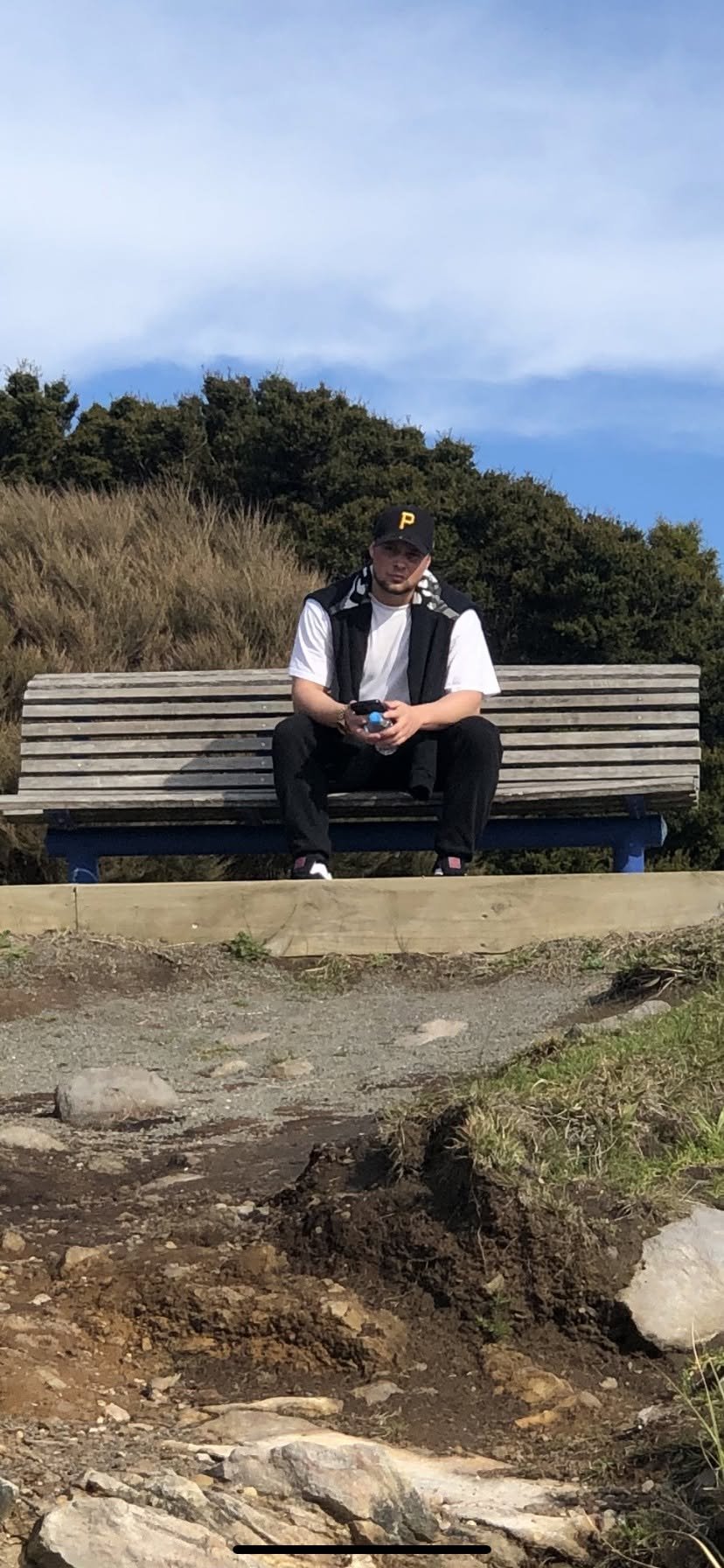
Jason Newton
In the Eastern Bay of Plenty, CAYAD coordinator, Jason Newton from Te Tohu o Te Ora o Ngāti Awa, is helping his community heal from the long shadow of alcohol harm by building strong relationships founded on trust and connection.
Originally from the Western Bay, he sees both regions grappling with the same issues, drug and alcohol misuse, mental health struggles, and youth disconnection, but says the Eastern Bay is particularly under-resourced. “
We’ve got the same challenges, just fewer tools to deal with them,” he says.
Jason’s motivation for this mahi comes from deeply personal experience. Growing up, he never had access to alcohol harm education or community support services.
“I didn’t know what help looked like,” he reflects. “After going through my own healing, raising a family, I realised I wanted to be part of helping others find that same pathway.”
The Eastern Bay is rich in Māori culture, language, and identity. It’s a place where whānau are strong, tikanga is lived, and people care for one another.
Yet, Jason says colonisation has left a painful legacy. “There’s a lot of pride here, but also a lot of hurt. Generations have been impacted by poverty, addiction, and disconnection from land and language. That’s the real root of the harm we’re seeing.”
When Jason first arrived, he didn’t rush in. Instead, he took time to listen and learn, attending community hui, understanding local tikanga, and building relationships.
“You can’t just turn up and tell people what to do. You’ve got to earn their trust,” he says. That trust now underpins his partnerships with iwi alliances, local councils, schools, and community organisations.
Alongside Communities Against Alcohol Harm, Jason has worked with iwi representatives to make submissions on alcohol licensing and speak at public hearings.
He’s helped the community push back against new liquor outlets and advocate for reduced sale hours.
“It’s scary for people to stand up against these big companies, but every submission matters,” he says.
“Those little policy changes, one less hour of alcohol sales, one less outlet near a school makes a massive difference over time.”
Beyond policy, Jason is deeply focused on rangatahi. He co-developed a youth wellbeing survey designed to capture young people’s voices around mental health, substance use, and belonging.
What began as a one-year pilot has grown into a multi-year project with ongoing funding. “We wanted to stop assuming what our youth need and start listening,” he explains.
The survey results are being used to inform government funding and shape new local initiatives. It comes at a critical time, 21 young people in the region have taken their lives since the start of the year.
In response, Jason and his partners are planning school-based hui, peer-led leadership programs, and community events that mix fun with education.
“We’re looking at things like basketball tournaments that double as spaces for connection and kōrero about drugs and alcohol,” he says.
At recent youth events, Jason used impairment simulation goggles to show how drugs and alcohol affect driving.
The hands-on approach struck a chord with the students. “They were laughing at first,” he recalls, “but once they realised how dangerous it really was, you could see the message sink in.”
Jason’s vision is to empower rangatahi to stand proud, speak up, and support one another to break the cycle of harm in their community.